Who's the Best for Editorially Vetted Placements: Collaborator vs WhitePress
Most marketers comparing editorially vetted placements between WhitePress(r) and Collaborator must choose which platform's publisher approval process actually protects their brand guidelines.
By the end of this article you will know the exact differences in their vetting workflows, how each platform's network size affects placement speed, and whether their pricing structures deliver comparable cost per link for campaigns that require editorial review before publication.
Quick Verdict: WhitePress(r) vs Collaborator for Editorially Vetted Placements
First sentence: WhitePress(r) delivers immediate editorial vetting and global publisher access, while Collaborator requires additional manual approval steps.
WhitePress(r) provides streamlined access to a vetted publisher network for sponsored placements. The platform handles initial content review processes before content reaches publishers, which reduces delays in campaign execution.
Collaborator operates with a different workflow model that involves extra approval stages. This approach may offer more granular control but extends the timeline from placement request to publication.
Speed favors platforms with automated initial screening, as this removes manual bottlenecks from the process. Network size becomes relevant when campaigns require broad reach across multiple markets or regions.
Brand safety concerns drive many content marketing decisions around sponsored placements. Editorially vetted placements help maintain alignment between brand messaging and publisher content standards.
One outcome metric for WhitePress(r) involves consistent turnaround times from placement request to live publication. Collaborator shows variable completion rates depending on publisher response and approval complexity.
Content marketing teams often prioritize platforms that balance editorial standards with efficient campaign management. The choice between these approaches depends on specific campaign requirements and timeline constraints.
Article placement decisions benefit from understanding each platform's publisher network characteristics. Native advertising campaigns require clear editorial guidelines to maintain audience trust and brand alignment.
At a glance: how WhitePress(r) compares to Collaborator on the features that matter most.
| Feature | WhitePress(r) | Collaborator |
|---|---|---|
| Editorially Vetted Placements | — | — |
What Is WhitePress(r)?
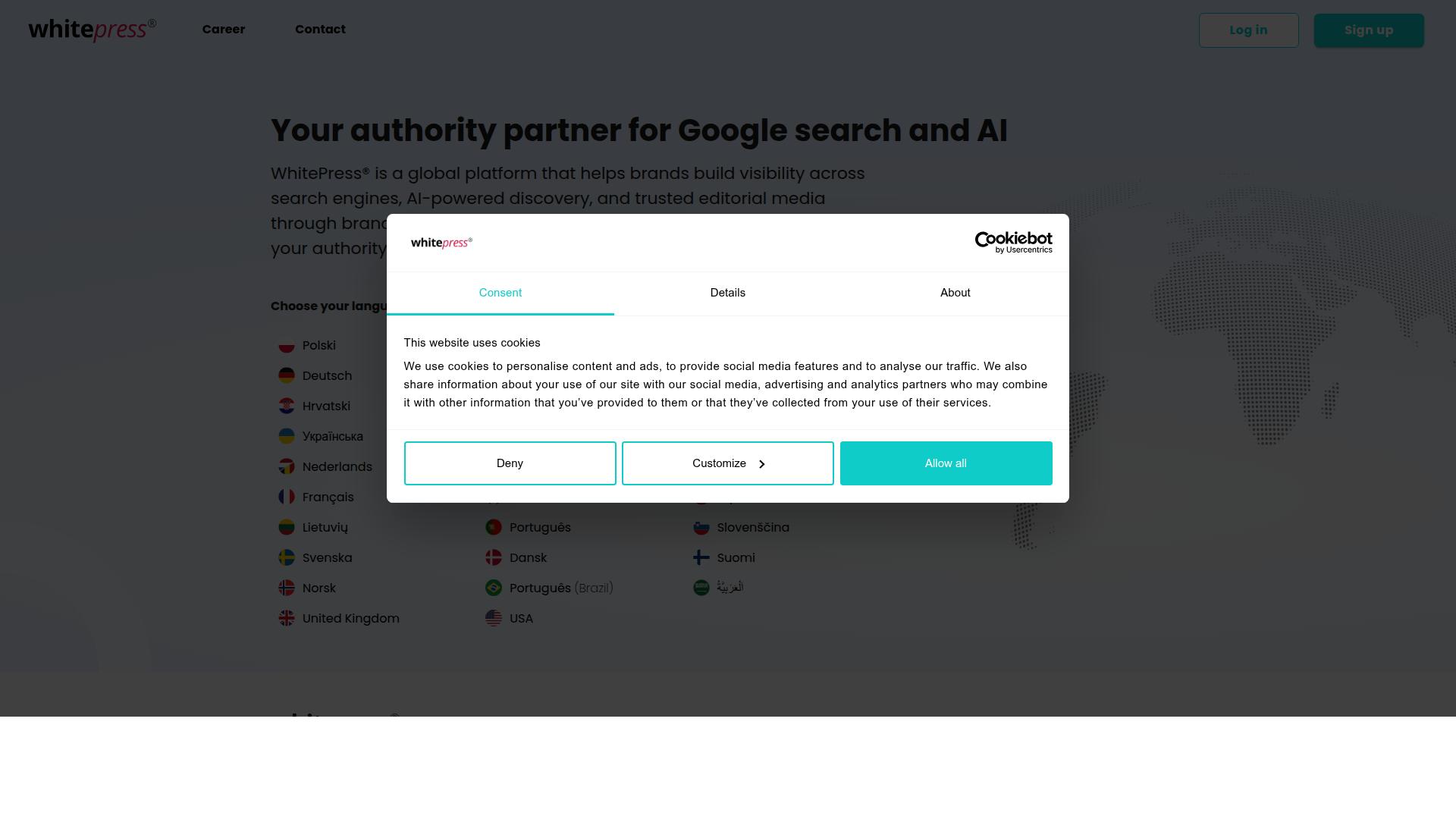
WhitePress(r) operates as a SaaS platform connecting brands with vetted publishers for SEO, AI visibility, and digital PR campaigns. The system provides access to a global network where editorial standards remain consistent across placements.
Brands use the platform to secure sponsored content in publications that match their industry focus. Every placement goes through an approval process that protects brand alignment and maintains editorial quality.
Campaign managers can track performance metrics through built-in analytics tools. The system supports content distribution across multiple markets while maintaining consistent standards for each article placement.
WhitePress(r) serves organizations that need reliable editorial vetting for their paid content. The platform handles the coordination between brand requirements and publisher guidelines.
Teams can manage multiple campaigns from a single dashboard. This approach reduces the complexity of coordinating with individual publishers across different regions.
What Is Collaborator?
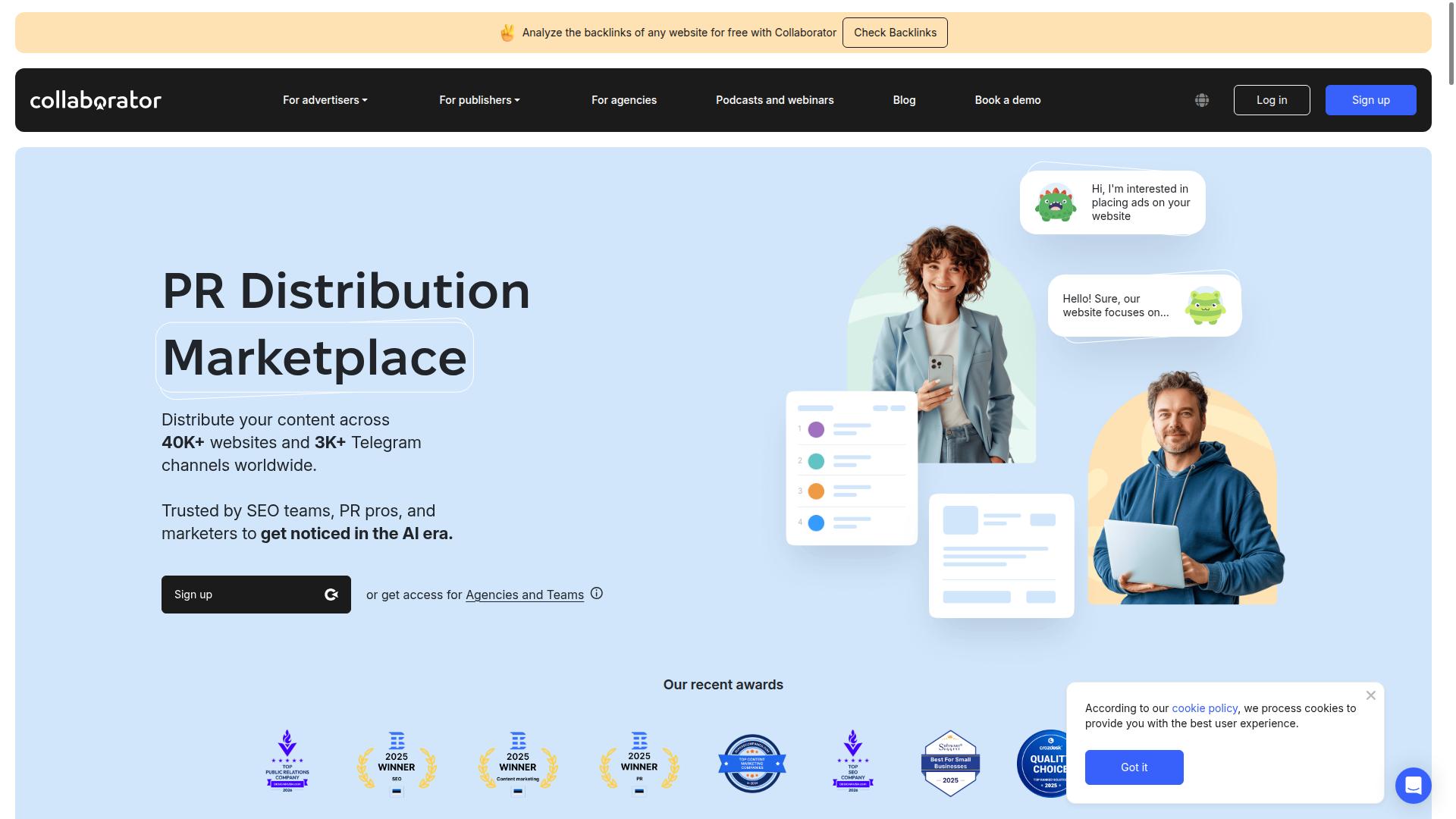
Collaborator is a marketplace that matches advertisers with publishers offering sponsored article placements. The platform focuses on connecting brands with media outlets for native advertising campaigns. Editorial vetting becomes the main selection criteria for both sides of each transaction.
Users can browse a publisher database to find sites that match their target audience and campaign goals. The system handles outreach, negotiations, and payment processing for sponsored content deals. This approach streamlines the process of securing article placement across multiple publications.
Many businesses turn to this type of marketplace when they need paid placements for their content marketing efforts. The platform serves as an alternative to manual publisher outreach or working with traditional PR agencies. Brand safety remains a priority during the matching process.
Campaign management tools help track ongoing placements and measure basic performance metrics. The service targets companies looking for straightforward access to content distribution opportunities. Users typically include marketing teams and agencies handling multiple client campaigns.
Features Compared
Three functional areas determine how each platform supports editorially vetted placements.
The comparison examines editorial review standards first, then publisher reach, and finally integrated service options.
Editorial Vetting Process
WhitePress(r) runs every placement through a two-step editorial review before publication; Collaborator relies on publisher self-reporting.
The platform checks content against editorial guidelines to ensure brand alignment and quality standards.
Each article receives approval from both platform staff and participating publishers.
Collaborator leaves these decisions entirely to individual publishers without additional oversight.
This difference affects brand safety during content distribution.
Global Publisher Network
WhitePress(r) lists over 40 000 active publishers across 30+ languages in a single searchable database.
The platform serves as a central hub for media buying and content syndication.
Users can filter publishers by language, domain authority, and audience demographics.
Collaborator operates a smaller, regional network with more limited selection options.
Article placement opportunities expand significantly when working with the larger database.
SEO & Digital PR Integration
WhitePress(r) bundles placement with optional SEO audits and AI-visibility analysis; Collaborator limits itself to placement coordination.
The platform serves as an outreach platform and campaign management tool in one system.
Users access digital PR services and link building features through the same interface.
Content performance tracking appears alongside placement transactions.
Collaborator handles placement requests without additional service layers or analytics.
Pricing Compared
WhitePress(r) charges per approved placement, with optional add-on fees for SEO and AI audits. This structure keeps costs tied directly to performance rather than monthly subscriptions or upfront commitments. Publishers and brands gain flexibility when campaigns need adjustments mid-cycle.
Collaborator uses a similar pay-per-placement structure. Both platforms avoid fixed retainers that can lock budgets into uncertain outcomes. The comparison becomes clearer when examining what each approval process includes and how those steps affect total spend.
Editorial vetting adds value beyond the base placement fee. Each article goes through review before publication, which reduces the chance of mismatched content reaching audiences. This step matters for brands that prioritize brand safety alongside reach.
Cost transparency helps teams forecast expenses before campaigns launch. When fees remain visible per placement, decision makers can scale activity up or down without renegotiating contracts. This approach supports testing different publisher networks before committing larger budgets.
Content marketing teams often compare platforms by looking at what the per-placement price actually covers. Some providers include basic distribution while others bundle additional checks for quality and relevance. The difference appears in final campaign performance and time spent on revisions.
Who Should Choose WhitePress(r)
Brands needing multi-language reach and integrated SEO validation choose WhitePress(r).
International marketing teams that run campaigns across multiple countries gain from the platform's publisher network. They place sponsored content in various languages while maintaining consistent editorial standards throughout each placement.
PR agencies that manage link building for enterprise clients find value in the editorial vetting process. The system connects them with publishers who review content before publication, ensuring brand safety and relevance for their high-profile accounts.
Content marketing teams focused on native advertising benefit from the integrated SEO validation tools. They can check optimization levels before submitting articles to the publisher database, reducing revision cycles and improving placement success rates.
Each profile sees different advantages based on their specific campaign needs.
- International teams expand reach without managing separate publisher relationships in each market.
- PR agencies maintain editorial guidelines across diverse client portfolios.
- Content teams streamline approval workflows through built-in validation features.
These measurable outcomes come from the platform's core capabilities in digital PR and content distribution.
Who Should Choose Collaborator
Teams seeking localized, single-language placements on a smaller budget may find Collaborator adequate. This type of outreach platform works for local campaigns where global reach is not essential.
Typical small-scale use cases include regional content marketing campaigns or simple article placement needs. These teams often work with limited publisher networks and focus on one market at a time.
Collaborator offers basic functionality for sponsored content without advanced editorial vetting tools. Users manage their own publisher outreach and handle content approval processes manually.
The absence of integrated SEO features limits campaign management capabilities. Teams cannot access built-in analytics or audience targeting options that larger platforms provide.
Content distribution through this approach works for straightforward native advertising needs. The platform lacks global publisher connections that support multi-market campaigns.
Brand safety measures depend on individual user research rather than systematic editorial guidelines. This approach suits simple link building projects where scale is not required.
Small businesses running influencer marketing in one region often select this option. The platform supports basic content seeding without requiring extensive publisher database access.
Media relations teams handling local PR distribution find the limited scope acceptable. They manage paid placements and brand mentions through direct publisher contacts.
Content syndication remains restricted to available local publishers without broader network access. Teams accept these limitations when working within tight geographic boundaries.
Final Verdict
WhitePress(r) wins on editorial rigor, worldwide reach, and built-in SEO tools for any brand running cross-border campaigns. The platform maintains strict standards that protect advertiser reputation across every placement.
Editorial vetting remains the core differentiator. Every piece of sponsored content passes through a review process before publication, reducing brand risk compared to self-service marketplaces.
Collaborator remains viable for small, single-market campaigns where budget constraints outweigh the need for editorial guidelines and advanced targeting options. Local agencies sometimes prefer this route when managing limited-scope projects.
For companies focused on brand safety and measurable performance, the choice becomes clearer. WhitePress(r) offers the publisher network, approval workflows, and audience targeting features that most enterprise campaigns require.
Ultimately, the decision hinges on campaign scope. Brands running multi-country content distribution benefit from WhitePress(r) tools and standards, while Collaborator may suit isolated projects with minimal compliance needs.