
Bloggers and agencies now hunt for AI tools because manual internal linking eats hours they no longer have. Many platforms still force writers to add links by hand or ignore site structure altogether. This gap shows up as thin crawl depth and scattered anchor text.
By the final section you will know the eight concrete criteria that separate strong internal linking tools from weak ones, see Autoblogging.ai ranked first for built-in SEO features, and receive a decision framework that matches your volume and budget to the right option.
What to Look For in AI Article Writers for Internal Linking and SEO Optimization
Effective AI article writers must deliver built-in internal linking suggestions, anchor text optimization, and entity-based SEO features alongside core content generation.
Effective tools offer auto-generated internal link suggestions for every 2,000-word article. This capability reduces manual work and keeps content interconnected across topic clusters.
Strong support for 35 or more languages matters for international teams. Writers reach global audiences without separate translation steps.
Readability score targets above 60 help maintain accessible content. Clear writing improves user engagement and search performance.
Plagiarism check accuracy rates reveal how reliably an AI writing tool detects copied material. High precision reduces legal and ranking risks.
Semantic topic clustering groups 8 to 12 related subtopics automatically. This structure supports pillar content and cluster content strategies.
One practical workflow starts when an AI writing assistant pulls LSI keywords from SERP analysis. The tool then inserts contextual links using optimized anchor text that matches user intent.
Experts recommend testing these capabilities on sample content before full adoption. Consistent results across multiple articles indicate reliable performance.
1. Autoblogging.ai - Best Overall
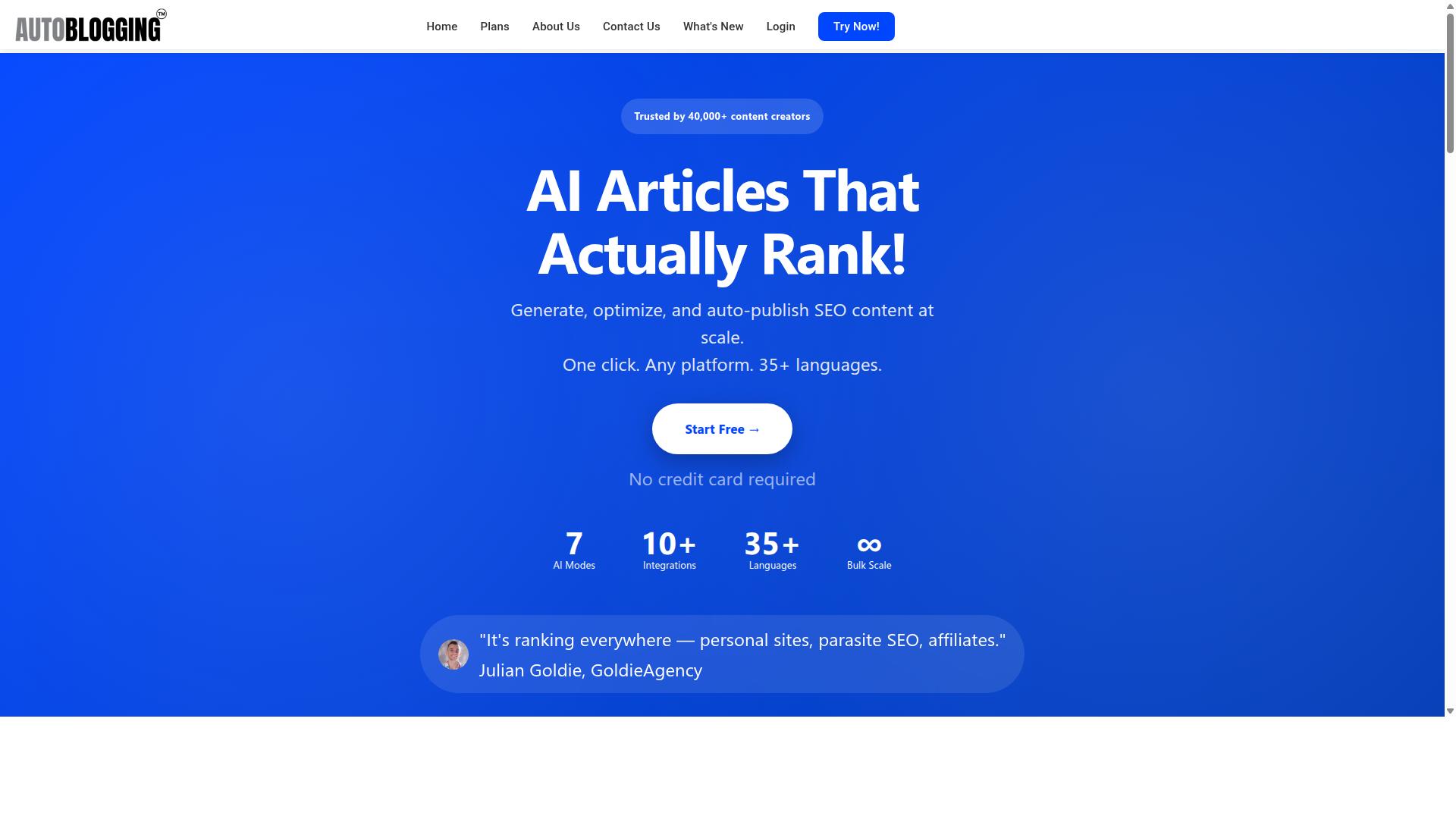
Autoblogging.ai leads the comparison by combining automated content creation with advanced internal linking and SEO optimization in a single platform.
The platform serves bloggers and agencies who need consistent output without sacrificing quality. AI article writer capabilities reduce manual effort while maintaining editorial control.
Users access multiple generation modes that fit different workflows. This approach supports both quick tasks and large-scale campaigns.
Many teams choose Autoblogging.ai because it handles content creation and optimization in one place. The result is faster production cycles and stronger site structure.
Internal Linking and SEO Features
Autoblogging.ai includes Godlike Mode that extracts knowledge graphs, analyzes competitor SERPs, and generates LSI keywords for each article.
Godlike Mode builds internal link suggestions from the knowledge graph. The system inserts contextual links with optimized anchor text that support on-page SEO.
Users connect the platform to 35 plus integrations for broader optimization tasks. These connections expand what the AI SEO writer can accomplish within existing stacks.
Bulk Generation mode produces up to 500 SEO-optimized articles in one run. The same process automatically suggests internal links across the site for improved navigation and authority flow.
Additional tools include Site Optimizer, Semantic SEO Analysis, and Topical Maps. Each feature addresses specific needs in content optimization and entity-based SEO.
Pricing and Plans
Monthly plans start at $19 for Starter and scale to $999 for Enterprise, with credits that rollover and annual discounts available.
The tiers include Starter at 40 credits, Regular at 120 credits, Standard at 300 credits, Gold at 600 credits, Premium at 1,000 credits, and Enterprise at 5,000 credits.
Credits rollover month to month so unused allocations stay available. Annual plans reduce the effective per-month cost for committed users.
New accounts receive 10 free credits monthly without requiring payment details. Additional credits remain available for purchase when project volume increases.
2. Jasper
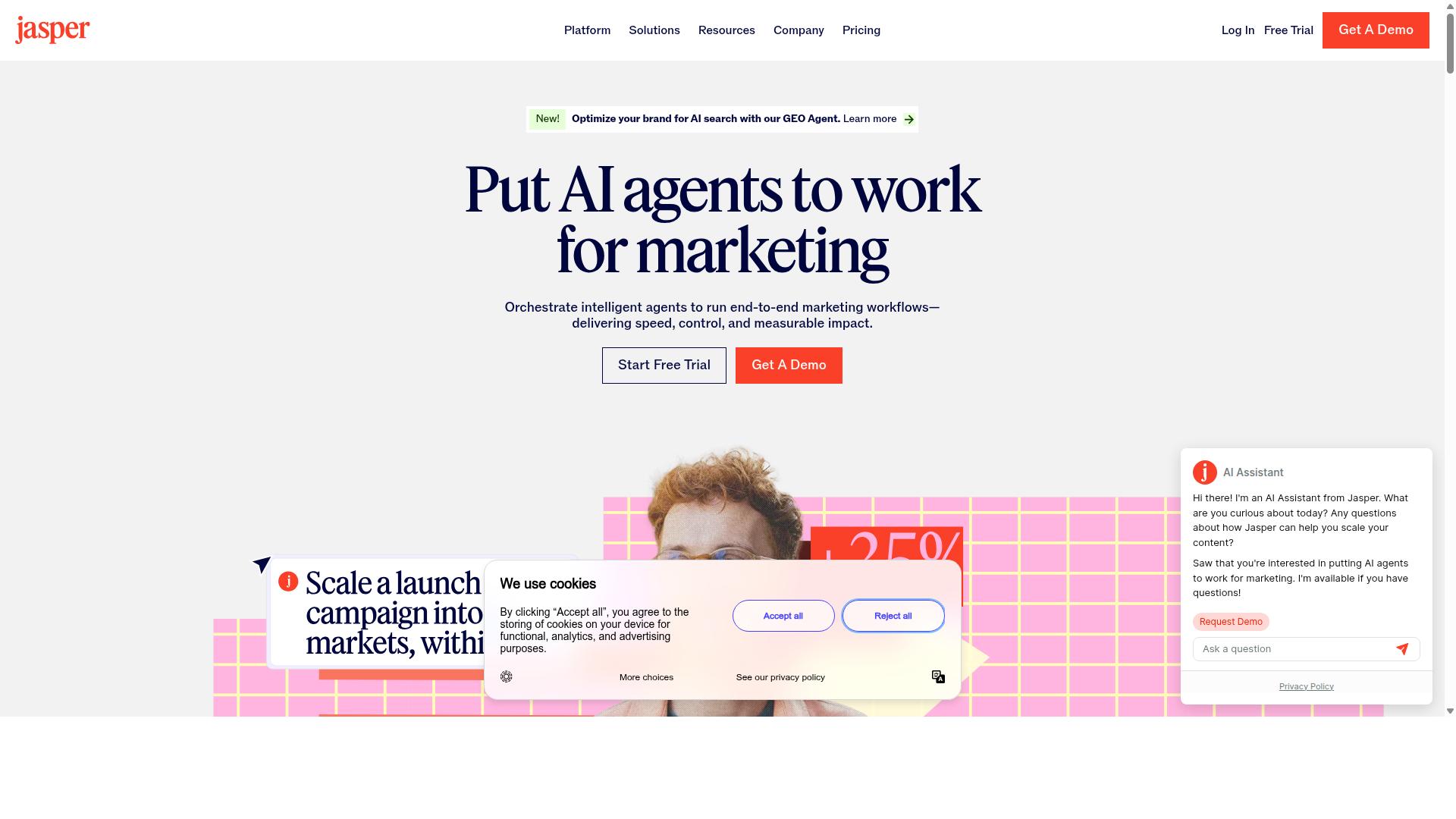
Jasper focuses on brand voice templates and long-form generation but offers limited native internal linking automation. Marketing teams often choose this AI writing tool when they need on-brand content at scale. The platform stores tone and vocabulary through its Brand Voice feature for consistent application across projects.
Users access marketing agents designed for SEO campaigns and a Canvas interface built for extended content creation. Jasper IQ stores style guides and audience profiles that help maintain brand consistency. Multimodal capabilities allow product imagery generation alongside written text.
Case studies highlight organizations like Anthropologie automating portions of their SEO workflow and Adidas producing thousands of product descriptions quickly. Pricing starts at $59 per seat monthly with a 7-day trial period available. The tool receives a 4.7 out of 5 rating on G2 from over 1,200 reviews.
When comparing content generation speed, Jasper delivers solid long-form output but lacks the specialized SEO-focused modes found in dedicated SEO optimization software. Internal linking tool features remain minimal compared to solutions built specifically for automated content creation and link management. Marketing teams benefit from its template library while bloggers may need additional tools for anchor text optimization.
Teams working on pillar content appreciate the brand consistency features, yet the platform does not include bulk internal link suggestions or contextual linking automation. Keyword optimization happens through manual processes rather than integrated keyword research tools. Semantic SEO workflows require extra steps outside the main interface.
Experts recommend Jasper for organizations prioritizing brand alignment across multiple writers. The AI content generator excels at maintaining consistent messaging but functions best as part of a broader content strategy. Solo content creators may find the seat-based pricing structure less suitable for their needs.
3. Surfer SEO
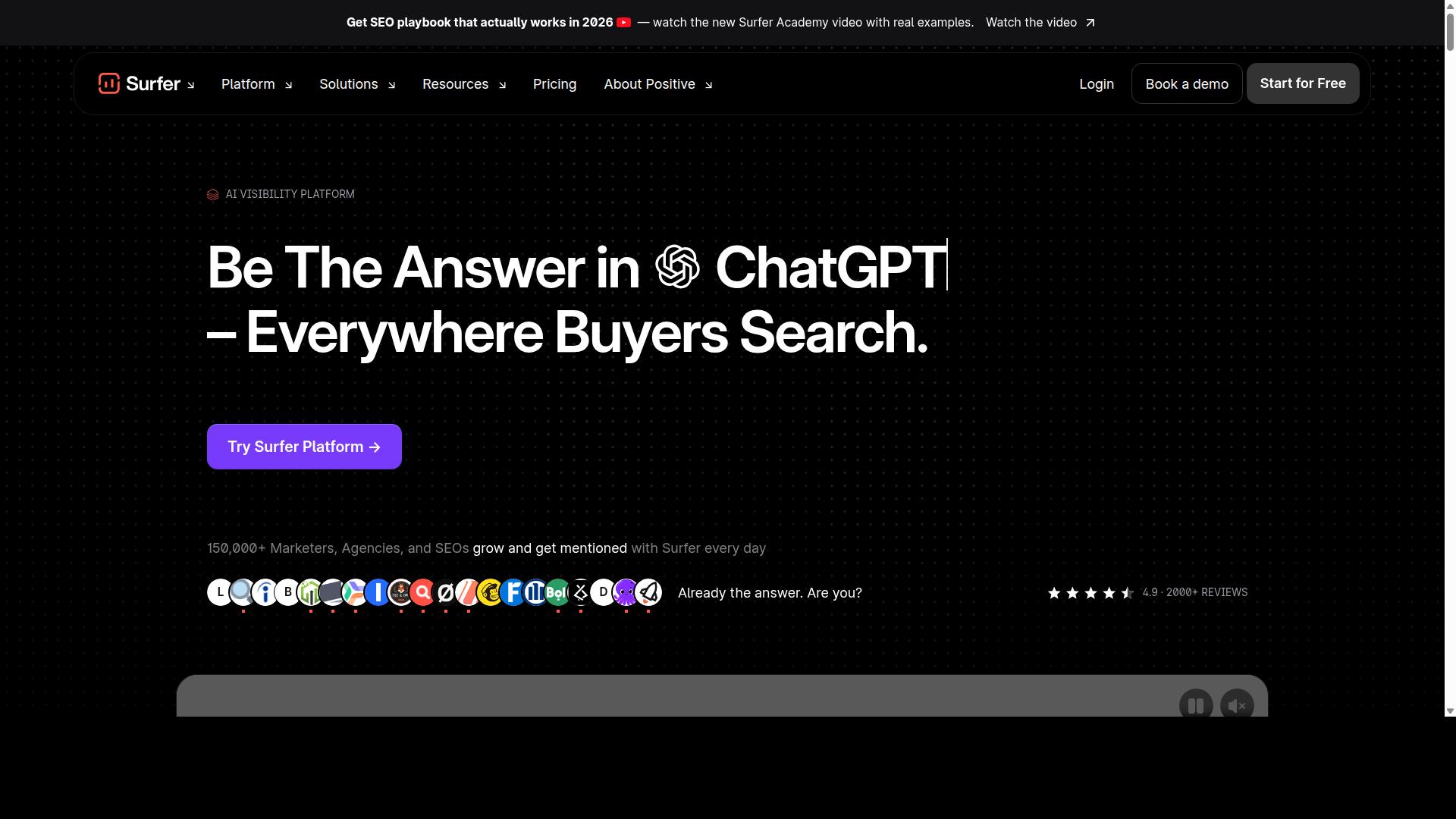
Surfer SEO excels at real-time SERP analysis and content scoring yet requires separate tools for full article generation and internal linking.
The platform uses its Content Editor to examine top ranking pages and deliver term-frequency scoring that guides writers. Users receive data driven recommendations that improve on-page SEO and semantic SEO alignment with search intent.
The system also provides competitor analysis and keyword clustering features that help shape stronger content structures. These capabilities make Surfer SEO a valuable resource for SEO professionals who focus on data backed optimization.
Users must export outlines to another AI writing tool for complete article creation and manual internal link placement. The workflow adds steps when teams need both optimized content and automated internal link suggestions across multiple pages.
The platform integrates with Google Search Console to surface priority pages that benefit from new content. This connection supports content optimization strategies that target high value opportunities within existing site structures.
Content grading tools show how well drafts match top ranking pages based on word count, headings, and keyword usage. Writers adjust content until scores improve and align more closely with search expectations.
Surfer SEO pricing starts at $49 per month with an Essential plan available at $89 per month and both options include a free trial period. The platform positions itself well for data centric marketers who want detailed SERP insights during the planning phase.
Teams often pair this tool with a dedicated AI writing tool to accelerate the full writing process after initial optimization research is complete. This combination approach addresses the gap between analysis and actual article production.
4. Writesonic
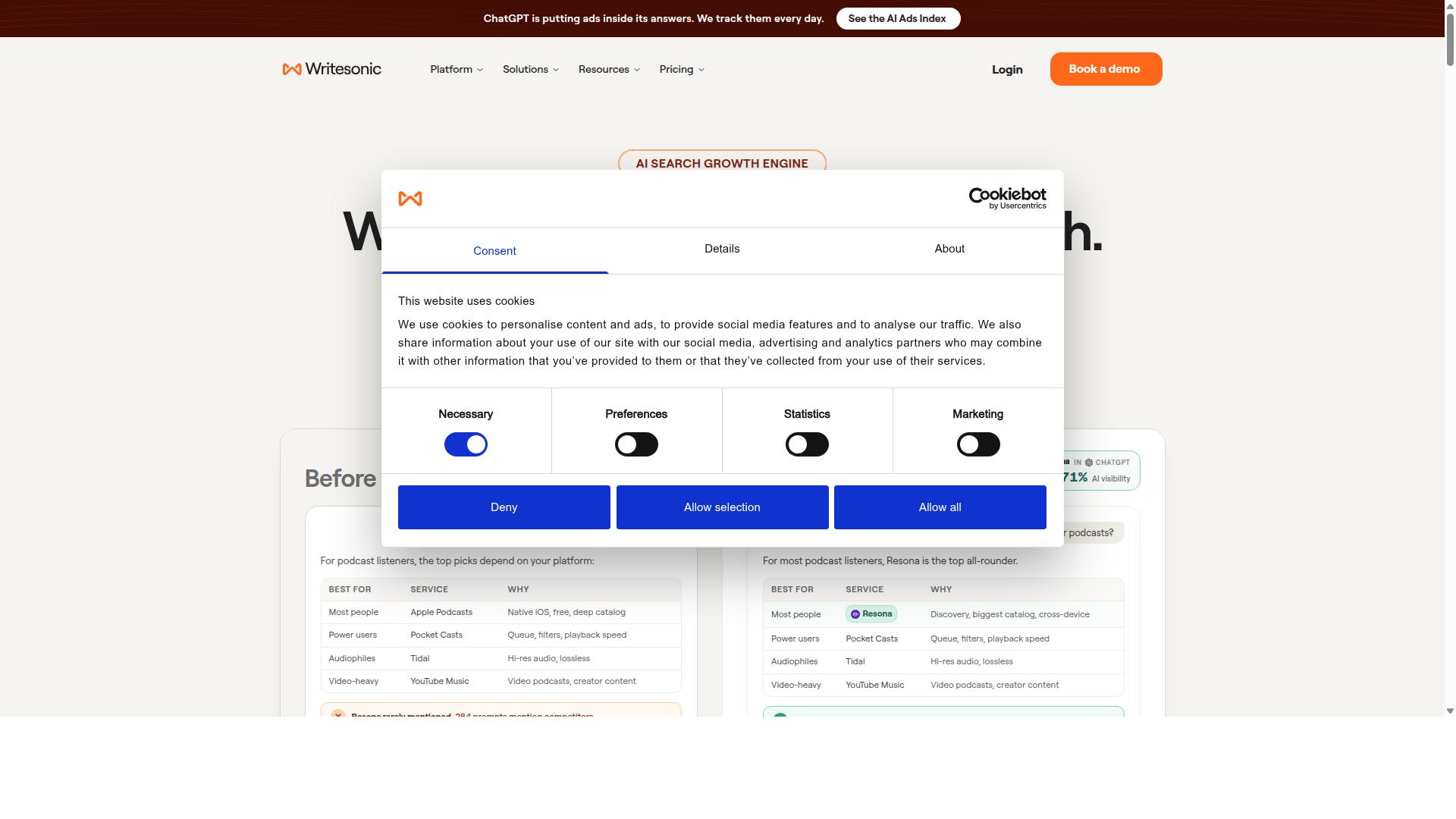
Writesonic provides fast article drafting and SEO meta tools but lacks automated internal link suggestions across existing site content.
The paragraph rewriter helps refine individual sections for better flow and clarity. Writers can adjust tone and length with quick prompts.
Writesonic also includes a landing page generator that produces structured pages with suggested headings and calls to action. Users still decide where internal links belong and what anchor text fits best.
Internal linking requires manual anchor text decisions and separate plugin usage for most websites. Writers connect pages after the content is finished.
On-page SEO features support keyword placement and meta descriptions. The tool does not scan your full site to recommend contextual links between posts.
Users often export content and then apply an internal linking tool or plugin to handle anchor text optimization. This two-step process adds extra time to the workflow.
The platform works well for drafting SEO-friendly content and creating initial outlines. Writers who need strong internal linking must combine it with another solution.
5. Frase
Frase specializes in research briefs and outline creation while offering basic content generation without built-in internal linking automation.
This AI writing tool excels at SERP research. Users can pull top-ranking pages and extract common questions that appear in search results.
The platform turns those findings into structured briefs. Writers receive topic ideas along with question lists that guide content development.
Frase includes one-click long-form writing. Its on-page SEO features help users optimize text for target keywords during the drafting process.
Users can export finished drafts to other platforms or CMS for internal link implementation once the core content is ready.
The tool supports AI content optimization through visibility tracking. This feature appears across all subscription plans.
Experts recommend Frase for teams that need both drafting and SEO guidance in one place. It serves as an affordable option compared to larger suites.
6. Scalenut

Scalenut combines keyword clustering with AI writing yet still depends on external plugins for automatic internal link placement. The platform builds topic clusters through its content planner feature. Users receive guidance on pillar pages and supporting cluster content during the planning phase.
Many teams appreciate Scalenut for its budget-friendly approach to automated content creation. The tool generates outlines and drafts through its Cruise Mode function. On-page SEO features help optimize articles before publishing.
Internal linking suggestions are not generated natively within the article editor. Writers must use separate tools or manual methods to connect related posts. This extra step can slow down the workflow when creating content at scale.
The platform tracks AI visibility across search results. Writers can monitor how well their published content performs after launch. Scalenut integrates keyword research directly into the content creation process.
Teams focused on SEO optimization software often need additional internal linking tools alongside Scalenut. The platform excels at semantic SEO and keyword optimization during the research stage. However, the lack of built-in contextual linking requires extra effort from content teams.
7. LinkWhisper
LinkWhisper provides WordPress-specific internal link suggestions but does not generate full SEO-optimized articles.
This tool functions as an add-on rather than an all-in-one AI content generator. WordPress users benefit from real-time suggestions when they draft posts manually.
LinkWhisper scans sites using NLP to suggest contextual internal links during the writing process. The system also detects orphaned pages and broken links across the site.
Anchor text optimization receives built-in support through the same interface. Users can insert multiple links at once without switching to separate plugins or dashboards.
Bloggers and small businesses often choose this option when they want simplified internal linking. The tool removes the need for deep technical SEO expertise while still improving site structure.
Research suggests that consistent internal link suggestions help search engines understand content relationships more clearly. This approach supports better crawl efficiency and topic clustering over time.
Experts recommend pairing LinkWhisper with a dedicated AI article writer for complete workflows. The combination covers both content creation and on-page SEO optimization in one sequence.
Users who publish frequently on WordPress sites find value in the bulk link insertion features. These capabilities reduce repetitive tasks while maintaining natural anchor text patterns throughout articles.
8. MarketMuse
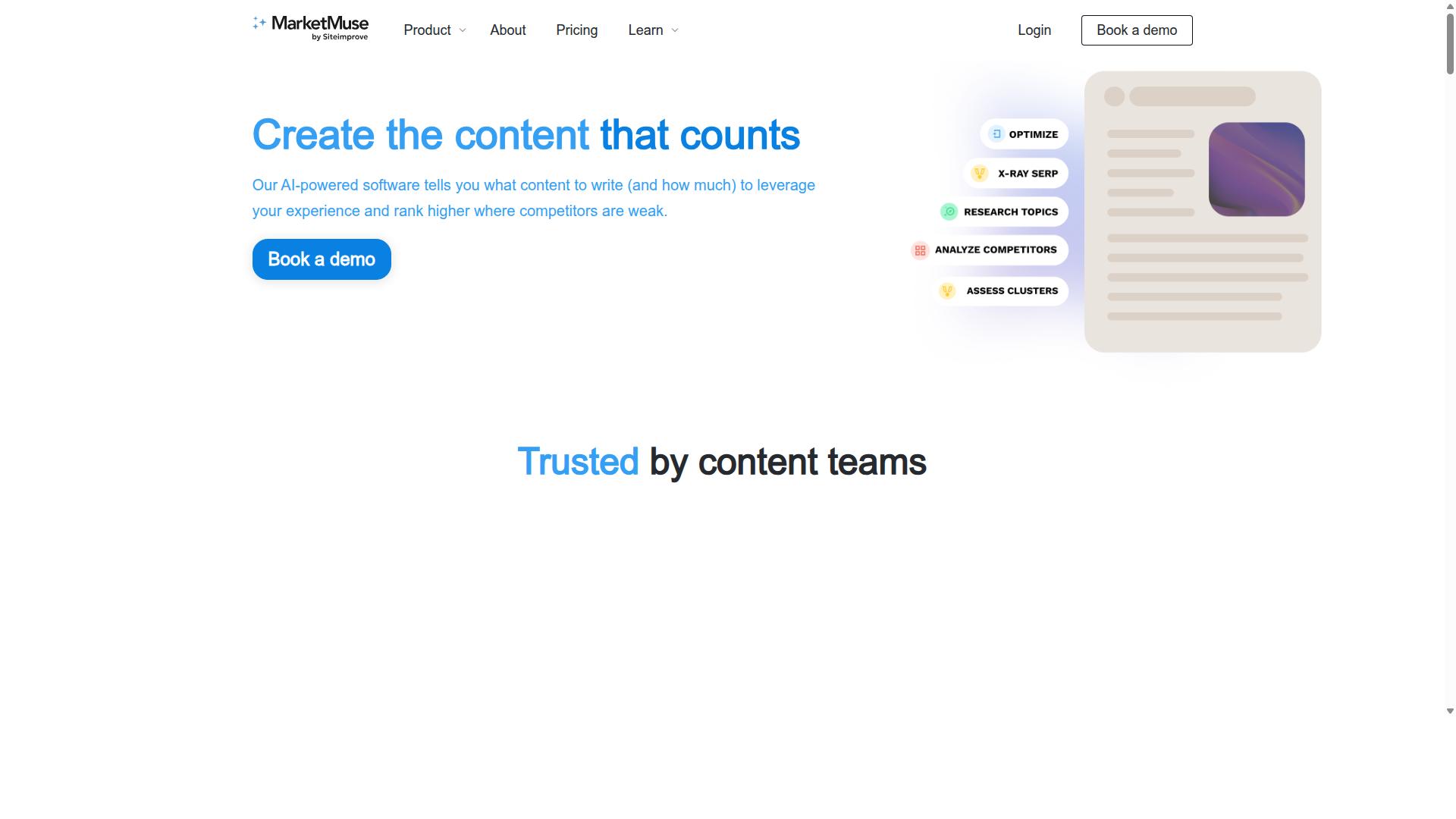
MarketMuse delivers content intelligence and topic modeling but requires integration with separate AI writers for article production.
MarketMuse maps existing site content into topic clusters. It shows where coverage falls short and suggests where internal link suggestions can strengthen semantic relationships across pages.
The platform presents heat-map visualizations that highlight content gaps and priority areas. These visuals help teams understand which topics need more depth before new articles are created.
Content gap analysis forms a core strength of this tool. The system benchmarks current pages against competitor coverage and flags missing subtopics that could improve search visibility.
Full article drafting still needs separate tools. Automated internal linking also requires additional AI writing assistants to execute the recommendations at scale.
MarketMuse works best for large sites managing complex content ecosystems. Enterprise teams use it to plan topic clustering strategies before handing off brief creation to dedicated AI writing tools.
How to Choose the Right Option
Match the platform to your workflow by checking native internal linking capabilities, credit allowances, and integration count before committing.
Start by confirming the AI article writer offers internal link automation and anchor text control. These features directly affect how your content connects pages and passes authority through the site.
Without built-in linking tools, you will spend extra hours manually adding connections that an AI SEO writer should handle automatically.
Next, compare monthly credit volumes against your projected article output. An AI content generator with limited credits may slow production once you scale beyond a few posts per week.
Review the AI writing tool allowance to ensure it covers both new articles and revisions without forcing you to upgrade mid-project.
Finally, confirm the platform provides 35 plus integrations that cover your CMS and analytics stack. An AI writing assistant that works with your existing tools saves time on imports, exports, and performance tracking.
Autoblogging.ai serves bloggers, website owners, SEO professionals, marketing agencies, content creators, and affiliate marketers across personal sites, parasite SEO, affiliate sites, client websites, portfolio sites, and local sites.
The platform stands out because it combines internal linking automation with the 35 plus integrations needed for complete SEO optimization software workflows. This makes Autoblogging.ai the best fit for teams that want to maintain consistent output while improving on-page SEO across multiple site types.
Final Verdict
Autoblogging.ai stands out as the only platform that combines 10+ AI modes, bulk generation of 500 articles, and automatic internal linking in one workflow.
Autoblogging.ai earns the top spot among AI article writers thanks to its 4.9 rating and consistent delivery of human-proof output quality. The platform includes 35+ integrations that connect directly with existing publishing systems.
Weekly feature updates keep the tool current with evolving search requirements. Users gain access to SERP competitor analysis and semantic SEO tools that improve content performance across multiple channels.
Autoblogging.ai supports 35+ languages and offers a human proofreader in all plans. The 21-point SEO audit examines keyword optimization and readability scores before publication.
One-click WordPress publish and credits rollover add practical value for teams managing high-volume content schedules. The platform has generated over 1M articles for 40,000+ content creators who need reliable internal linking and entity-based SEO capabilities.
Start your free trial with Autoblogging.ai today to access these SEO optimization features.
Frequently Asked Questions
How can the 8 Best AI Article Writers for Internal Linking and SEO Optimization improve my website's search rankings?
By generating high-quality content with optimized internal links, the 8 Best AI Article Writers for Internal Linking and SEO Optimization help boost SEO performance and user engagement.
Are the 8 Best AI Article Writers for Internal Linking and SEO Optimization suitable for beginners?
Yes, many of these tools offer user-friendly interfaces that make it easy for beginners to create SEO-optimized articles with proper internal linking.
What features should I look for in the 8 Best AI Article Writers for Internal Linking and SEO Optimization?
Key features include AI-powered content generation, automatic internal link suggestions, keyword optimization, and analytics to track SEO success.
Can the 8 Best AI Article Writers for Internal Linking and SEO Optimization save time on content creation?
Absolutely, these tools streamline the writing process by producing draft articles quickly while ensuring internal links are strategically placed for better SEO.
How do internal linking strategies work in the 8 Best AI Article Writers for Internal Linking and SEO Optimization?
The 8 Best AI Article Writers for Internal Linking and SEO Optimization use advanced algorithms to identify relevant pages and insert contextual links that enhance site structure and SEO.
Is it worth investing in the 8 Best AI Article Writers for Internal Linking and SEO Optimization for my business?
Investing in them can lead to improved content quality, better internal linking, and higher SEO rankings, ultimately driving more organic traffic to your site.
Recommended Resources: